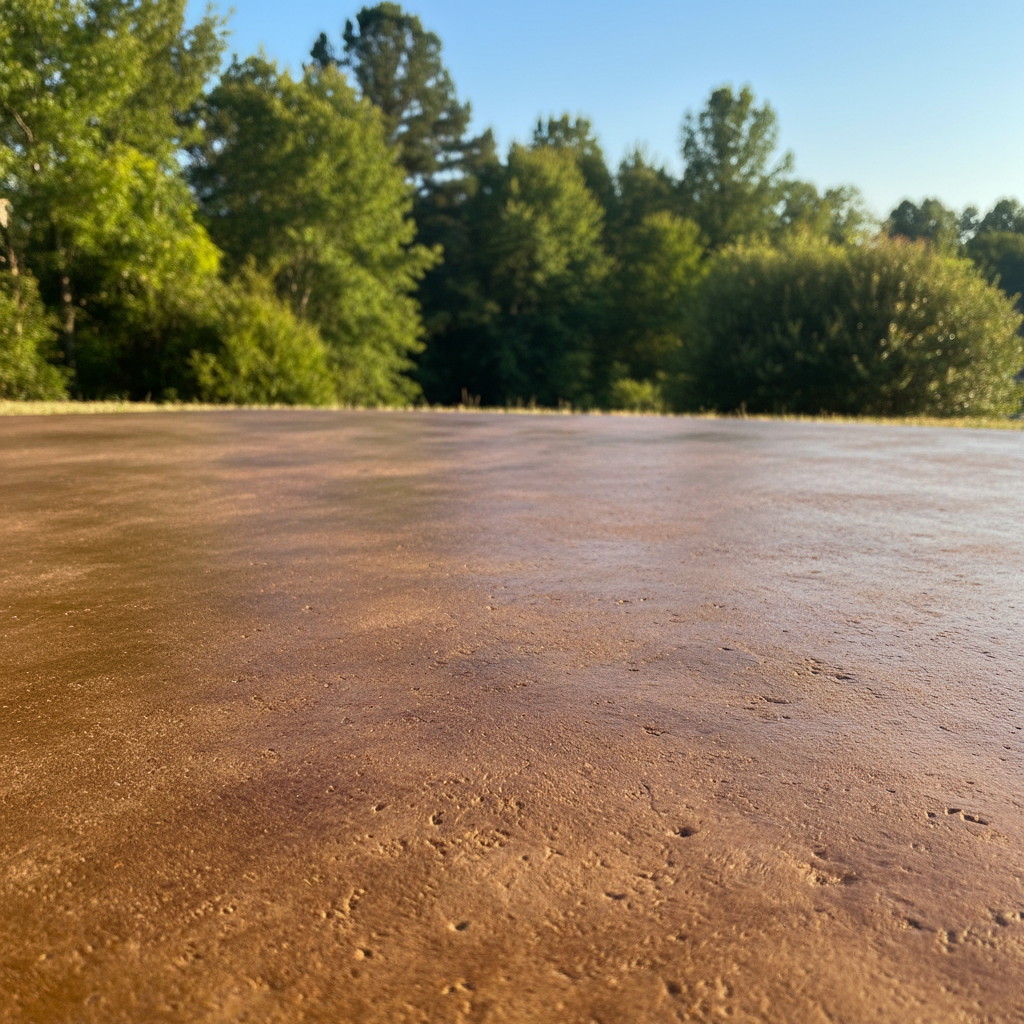
Can I Stain My Existing Concrete, or Does It Need to Be New?
This is probably the first question I get from just about everyone who calls me up about concrete staining here in Olive Branch. And it's a good one. The short answer is: yes, you absolutely can stain existing concrete. In fact, most of the staining jobs we do at The Branch Concrete are on older slabs. The key thing is the condition of that existing concrete.
If your concrete has a lot of big cracks, deep pitting, or previous coatings that are peeling up, that's going to show through the stain. Stains aren't like paint; they're translucent. They react with or penetrate the concrete, so they don't hide imperfections. Sometimes we can do some repair work to patch things up, but you need to understand that those repairs will likely take the stain differently than the original concrete. It might create a unique, mottled look, which some people love, or it might be something you'd rather avoid. We always do a thorough inspection first to set expectations straight. If it's just minor discoloration or a few small hairline cracks, that's usually not a problem at all.
How Long Does Stained Concrete Last, and What About Fading?
When you get concrete stained properly, it's incredibly durable. We're talking years, even decades, of good looks. The stain itself, whether it's acid-based or water-based, isn't just sitting on top of the concrete; it's chemically reacting with it or soaking into the pores. That means it's not going to chip, peel, or flake off like paint would. The real protection comes from the sealer we apply over the top.
That sealer is what takes the brunt of the wear and tear, whether it's foot traffic, car tires, or our strong Mississippi sun. For outdoor applications, especially here where we get intense summer heat and UV rays, fading can be a concern over a very long period. A high-quality, UV-resistant sealer is crucial. Indoors, fading is almost a non-issue. You'll likely need to reapply the sealer every few years, depending on traffic and exposure. Think of it like waxing your car or resealing your deck – it's maintenance, but it keeps the finish looking fresh and protected. We'll give you a clear idea of the maintenance schedule when we finish up.
Will Stained Concrete Make My Floor Slippery?
This is a common concern, especially for outdoor patios or pool decks. And it's a valid one. Bare, sealed concrete can definitely be slick when wet. But don't worry, we've got solutions for that. When we apply the sealer, we can add an anti-slip additive to it. It's usually a fine grit, like a polymer or silica sand, that mixes into the sealer and creates a slightly textured surface. You won't really see it, but you'll feel it, and it makes a big difference in traction.
For interior floors, especially in high-traffic areas or places where spills might happen, we can use a similar additive or recommend a different sealer that offers more grip. It's all about balancing the aesthetic you want with the safety you need. We'll talk through your specific situation and recommend the best approach to make sure your stained concrete is as safe as it is beautiful.
What's the Deal with Color Consistency? Will It Look Exactly Like the Sample?
Alright, let's be honest here: concrete staining isn't like picking a paint swatch off a wall and expecting an exact match. It's a much more organic process. The final color and appearance depend on a lot of factors: the age and porosity of your concrete, its chemical composition, how it was finished, and even ambient temperature and humidity during application. Acid stains, in particular, react with the free lime in the concrete, so every slab is a little unique. This is why you get those beautiful, variegated, translucent effects that are impossible to replicate with paint.
What we do is provide samples and show you examples of our work. We'll also do a test patch in an inconspicuous area if possible, especially on existing concrete, so you can get a better idea of how your specific slab will take the stain. You're not going to get a perfectly uniform, opaque color. You'll get variations, mottling, and unique patterns that give stained concrete its character. That's part of its charm, but it's important to understand that going in. It's more like a piece of natural stone than a manufactured tile.
Can I Stain Concrete Indoors, Like in My Basement or Living Room?
Absolutely! Stained concrete isn't just for patios and driveways. It's a fantastic option for interior floors, and it's getting more popular all the time in homes around Olive Branch. Think about it: it's incredibly durable, easy to clean, and can give your home a really modern, industrial, or even rustic look, depending on the colors and patterns you choose. We've done basements, kitchens, living rooms, and even bathrooms.
For interior applications, we usually recommend water-based stains or dyes because they don't have the same strong fumes as acid stains, which is a big plus when you're working inside your home. We also pay extra attention to proper sealing and sometimes even polishing to get that really smooth, reflective finish that looks great indoors. It's a great alternative to tile, carpet, or hardwood, especially if you're looking for something unique and low-maintenance.
What Kind of Maintenance Does Stained Concrete Need?
Compared to a lot of other flooring options, stained concrete is pretty low-maintenance, which is one of its big selling points. For indoor floors, regular sweeping or vacuuming to get rid of dirt and grit is key. Then, a damp mop with a pH-neutral cleaner is usually all you need. Stay away from harsh chemicals, abrasive cleaners, or anything with ammonia or bleach, as these can dull or damage the sealer over time.
For outdoor surfaces, a good rinse with a hose and maybe a soft brush for tougher spots will do the trick. Again, avoid harsh detergents. The most important maintenance item, as I mentioned earlier, is reapplying the sealer. For high-traffic areas or outdoor concrete exposed to the elements, you might need to reseal every 2-5 years. Less-used indoor areas could go much longer. We'll give you specific recommendations based on your project when we're done, so you know exactly what to do to keep it looking great for years to come.
Why Do I See White Spots or Haze on My Stained Concrete?
If you're noticing white spots or a hazy, cloudy look on your stained concrete, especially after it's been sealed, you're likely dealing with something called efflorescence or a sealer issue. Efflorescence is a natural phenomenon where moisture from within the concrete slab carries salts to the surface. As the water evaporates, it leaves behind a white, powdery residue. It's more common in damp environments or with new concrete, and our humid conditions here in Olive Branch can sometimes contribute to it.
Sometimes, it's also a sealer problem. If the sealer was applied too thick, or if there was moisture present on the concrete or in the air during application, it can trap that moisture and cause a cloudy appearance. It can also happen if an incompatible sealer was used or if it wasn't allowed to cure properly. Most of the time, efflorescence can be cleaned off with a specialized cleaner, and sealer issues can often be corrected by stripping and reapplying the sealer correctly. It's why having experienced pros like us do the job is so important – we know how to prevent these issues and fix them if they pop up.